
BLOG
Is Wearing a Wig Every Day Bad for Your Hair?
By DeNob Creations | Wig Care, Hair Health & Protective Styling Series
Introduction: The Truth About Everyday Wig Wearing
Wigs have become an essential part of modern beauty. From protective styling to fashion statements, convenience, medical reasons, and lifestyle choices, millions of women now wear wigs daily and love them.
But one question continues to worry many women:
Is wearing a wig every day bad for your hair?
Some fear hair loss, thinning edges, irritation, or long-term damage. Others believe wigs help hair grow faster. The truth lies somewhere in between.
Wearing a wig every day is not automatically harmful but how you wear it, what type you choose, and how you care for your natural hair underneath determines whether wigs protect or damage your hair.
In this complete guide, you’ll learn:
- Whether it’s safe to wear wigs daily
- If wigs cause hair loss
- Common side effects of wig wearing
- How to protect your edges and scalp
- What types of wigs are best for everyday use
- The four‑finger rule for perfect placement
- Whether wigs help hair grow
- What hairstyles cause the most damage
- The pros and cons of wigs
- Wigs vs hair toppers
- And how to build a healthy wig routine

1. Is It Okay to Wear a Wig Every Day?
Yes – it is absolutely okay to wear a wig every day.
Wigs are not harmful by default. In fact, they can become an excellent part of your beauty routine, protective styling plan, and even your emotional well‑being.
Many women wear wigs daily for:
- Convenience
- Style flexibility
- Hair loss or thinning
- Protective styling
- Medical conditions
- Confidence and self‑expression
However, staying mindful of scalp care, hair protection, fit, and hygiene is what ensures that everyday wig wearing remains healthy long‑term.
When done correctly, wigs can:
- Protect fragile hair
- Reduce daily manipulation
- Help retain length
- Support regrowth
When done incorrectly, they can:
- Cause friction
- Lead to traction alopecia
- Irritate the scalp
- Damage edges
The difference lies in how you wear your wig – not how often.
2. Can Wearing a Wig Every Day Cause Hair Loss?
No – a properly fitted, breathable wig does not cause hair loss or stop natural hair growth.
Hair loss from wigs usually comes from:
- Poor wig fit
- Excessive tension
- Friction on the hairline
- Heavy adhesives
- Clips pulling on edges
- Lack of scalp care
A well‑made, lightweight wig that fits correctly actually protects your natural hair by shielding it from:
- Heat damage
- Daily styling
- Environmental stress
- Over‑manipulation
💡 Custom‑fit or adjustable wigs with breathable caps are the healthiest option for daily wear.
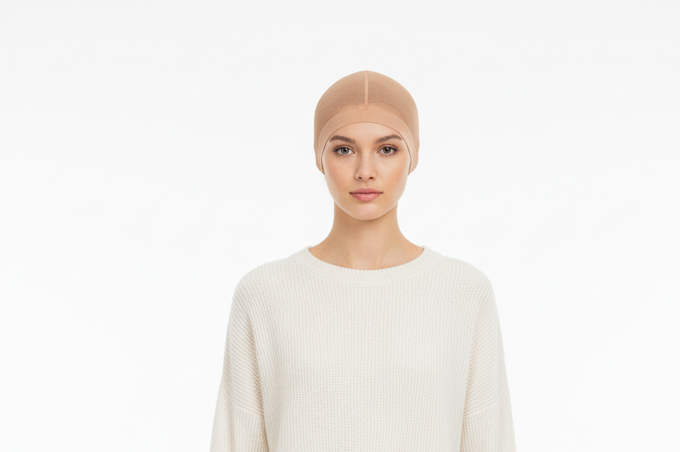
Where Your Accessories Matter
Your edges are the most fragile part of your hair when wearing wigs.
Using satin scrunchies, soft headbands, and edge‑friendly clips helps prevent friction and tension.
💛 DeNob Creations Signature 4‑in‑1 Set includes satin scrunchies and gentle clips designed to protect your hairline while styling. – https://denobcreations.com/product-category/hair-accessories/

3. What Are the Side Effects of Wearing a Wig?
Wigs themselves are not harmful — but poor habits can create side effects.
Common warning signs include:
- Redness along the hairline
- Itching or burning
- Small bumps or pimples
- Excess sweating
- Tender scalp
- Unusual hair shedding
These symptoms usually appear when:
- The wig is too tight
- The cap is not breathable
- Adhesive is overused
- The scalp is not cleaned regularly
How Often Should You Take Breaks From Wearing a Wig?
Even if you wear wigs daily, your scalp needs to breathe.
Recommended routine:
- Remove wig every night
- Clean and moisturize scalp daily
- Take 1–2 full wig‑free days per week when possible
4. Is Wearing a Wig Bad for Your Own Hair?
Wigs only become harmful when worn improperly.
Healthy wig wearing includes:
- Proper wig sizing
- Protective base styles
- Minimal adhesive use
- Clean scalp underneath
- Gentle removal techniques
Damage usually occurs when:
- Wigs are glued directly on edges
- Clips are placed on fragile hair
- The wig slides constantly causing friction
- Natural hair is dry and neglected underneath
💡 Think of your wig as a protective cover — it only works if what’s underneath is cared for properly.
5. Can Wigs Damage Your Hair?
Yes but only under certain conditions.
Wigs may damage hair if:
- They are worn too tight
- Adhesive is applied daily
- Removal is rushed or forceful
- The wig rubs constantly on the same area
- Natural hair is not moisturized
Most common damage types:
- Traction alopecia
- Edge thinning
- Breakage at temples
- Scalp irritation
Prevention:
- Choose adjustable wigs
- Rotate placement slightly
- Use wig grips instead of glue when possible
- Always protect edges
6. What Is the Four‑Finger Rule for Wigs?
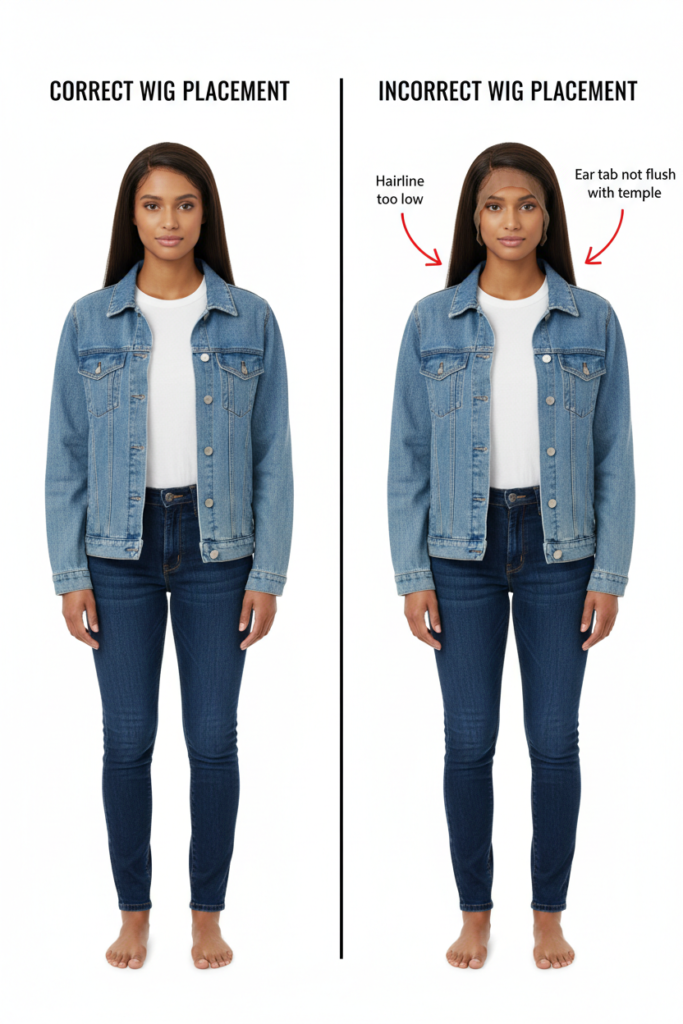
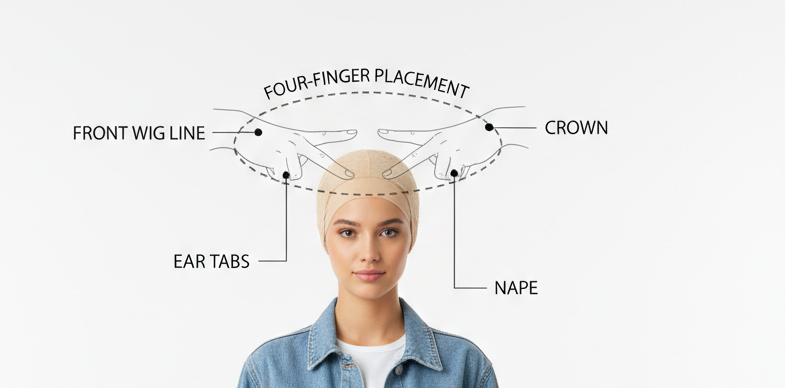
The four‑finger rule helps you place your wig at a natural hairline position.
How It Works
- Place four fingers vertically above your eyebrows
- The top finger should touch where your wig hairline begins
This prevents:
- Mini forehead look (too far forward)
- Wiggy appearance (too far back)
However, face shapes vary.
Many stylists recommend:
- 3.5 fingers for smaller foreheads
- 4 fingers for average
- Adjust slightly based on your natural hairline
7. Will Wearing Wigs Help Hair Growth?
Yes — wigs can help hair grow and retain length.
Wigs protect your natural hair by:
- Reducing daily manipulation
- Limiting heat styling
- Preventing environmental damage
- Allowing hair to rest
The key benefit is length retention — keeping the hair you grow.
However, growth only happens if:
- Scalp is clean
- Hair is moisturized underneath
- Tension is avoided
💡 Wigs don’t magically make hair grow faster — they protect what your body naturally grows.
8. What Type of Wig Can You Wear Every Day?
Best Choice: Human Hair Wigs
Human hair wigs are ideal for daily wear because:
- They look natural
- They breathe better
- They last longer
- They style like real hair
Synthetic Wigs
Great for:
- Short‑term wear
- Fashion colors
- Occasional use
Limitations:
- Less breathable
- Shorter lifespan
- Heat sensitive
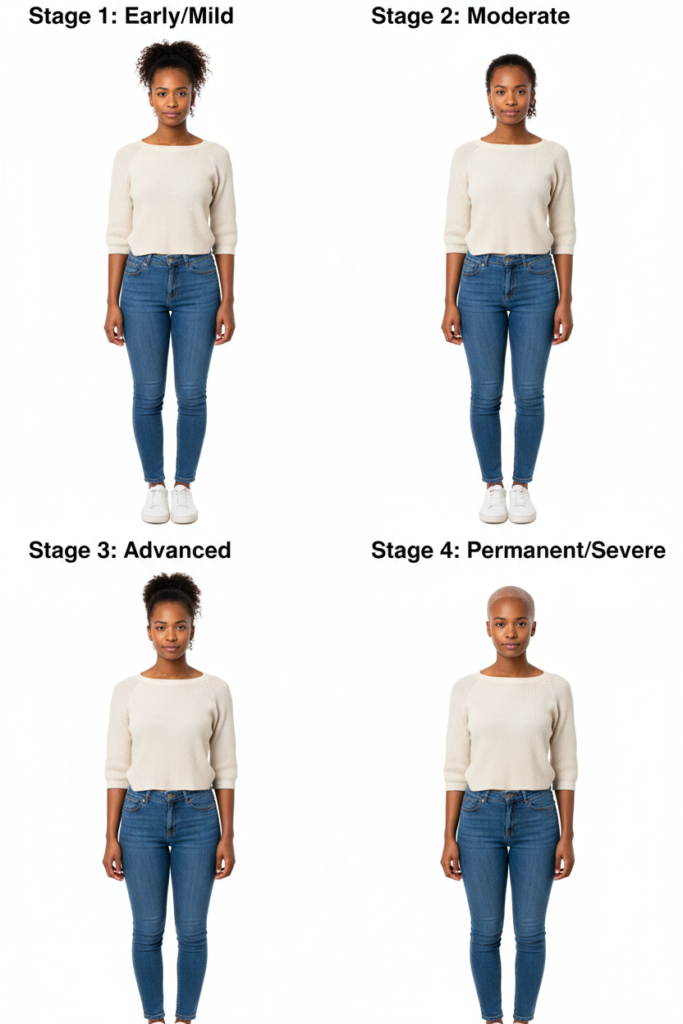
9. What Is the Most Damaging Hairstyle for Your Hair?
Certain styles cause repeated tension and lead to traction alopecia.
High‑risk styles include:
- Cornrows
- Tight locs
- Tight braids
- High ponytails
- Slick buns
- Heavy extensions
- Weaves on relaxed hair
These styles pull constantly on follicles, especially around the edges and temples.
10. What Are the Downsides of Wearing a Wig?
While wigs offer many benefits, they also come with challenges.
Common Downsides
- Scalp sweating
- Heat discomfort
- Time‑consuming maintenance
- Cost of quality wigs
- Risk of irritation
- Adhesive buildup
Activity Limitations
Some wigs must be removed for:
- Swimming
- Heavy workouts
- Sauna or steam rooms
Balance is key – Wigs should support your lifestyle, not limit it.
11. What Is Better: A Hair Topper or a Wig?
Hair Toppers
Best for:
- Mild thinning
- Crown or part coverage
- Blending with natural hair
Pros:
- Lightweight
- Cooler
- Natural blend
Cons:
- Limited coverage
- Requires healthy surrounding hair
Wigs
Best for:
- Full coverage
- Hair loss
- Style flexibility
Pros:
- Complete transformation
- Protects all hair
Cons:
- Warmer
- More maintenance
Choose based on your level of hair loss and styling goals.
12. Will Wearing a Wig Damage My Hair?
No – wigs do not inherently damage hair.
Damage only occurs when:
- Fit is incorrect
- Scalp care is neglected
- Adhesives are misused
- Hair is dry underneath
Healthy wig routine:
- Clean scalp weekly
- Moisturize hair underneath
- Use breathable caps
- Protect edges
- Remove gently
Where Your Products Fit In: Protecting Hair While Wearing Wigs
Accessories play a huge role in wig safety.
Why Satin Accessories Matter
Satin:
- Reduces friction
- Prevents breakage
- Protects edges
- Preserves moisture
💛 DeNob Creations Signature 4‑in‑1 Set includes:
- Satin XL Scrunchie
- Mini satin scrunchie
- Gentle hair clip
- Silver hoop earrings
Perfect for:
- Prepping hair under wigs
- Securing low styles
- Protecting edges daily

Recommended Wig Prep Accessories
- Satin scrunchies
- Soft headbands
- Edge‑friendly clips
- Bonnets and scarves
Daily Wig & Scalp Care Routine
Morning
- Clean hairline
- Light moisture
- Secure hair loosely
- Apply wig gently
Night
- Remove wig
- Clean scalp
- Moisturize hair
- Satin protection
Weekly
- Wash scalp
- Deep condition
- Clean wig cap
Final Thoughts: Wigs Can Protect or Damage — You Decide
Wearing a wig every day is not bad for your hair.
In fact, when done correctly, wigs can:
- Protect fragile strands
- Retain length
- Support regrowth
- Reduce styling stress
The secret is simple:
- Choose breathable wigs
- Avoid tension
- Care for your scalp
- Protect your edges
- Use the right accessories
Your wig should be your protector – not your enemy.
Call to Action
Ready to protect your hair while wearing wigs daily?
👉 Shop DeNob Signature 4‑in‑1 Sets 👉 Explore Satin Scrunchies & Headbands 👉 Read More Wig & Hair Care Tips on Our Blog – www.denobcreations.com
Written by DeNob Creations — Handmade Accessories Designed to Protect Your Crown.
